750+ Five-Star Reviews - (623) 226-4454




FAQ Section
Trustworthy
Quality Focused
Financing Available
Locally Owned
Phoenix's #1 Trusted
Pool professionals
WHERE EXCELLENCE IN POOLS MEETS UNPARALLELED SERVICE
Trustworthy
Locally Owned
Quality Focused
Financing Available
COMMON QUESTIONS
How long has Triton Been Around?
We've been around for over 10 years. We have been in the service industry in the Phoenix Valley for over 25 years and counting. We strive to provide the best quality service to all customers in the Phoenix Metro area and our reviews show just that. Reputation is our #1 priority and we want to make sure we provide the best service with the best warranty.

What makes Triton different?
Triton makes things different by trying to put the customer first, meaning we've done things with you in mind. For example one of those things being equipment pricing, we've outsourced our own Pumps, & Salt Cells to ensure we give you the best possible product with the best warranty in the industry.
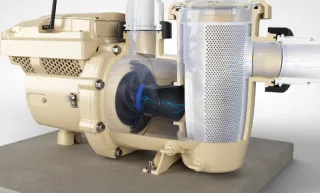
How often should I have my pool equipment looked at?
Getting your pool equipment look at regularly is the equivalent of getting an oil change. We recommend getting your pool equipment tuned up and inspected once a year usually before summer or during the winter months.
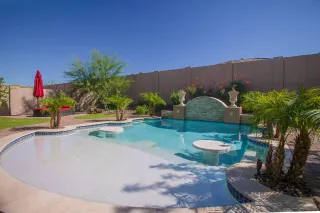
Why is my pool pump making strange noises?
Strange noises from your pool pump can indicate various issues, such as worn-out bearings, debris stuck in the impeller, or air leaks in the suction line. It's essential to address these issues promptly to prevent further damage and maintain optimal pump performance.
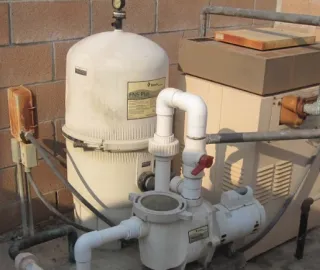
How often should I run my pool pump?
The recommended runtime for a pool pump depends on factors such as pool size, bather load, and climate. As a general rule, running the pump for 8-12 hours per day during the swimming season helps maintain proper circulation and filtration.
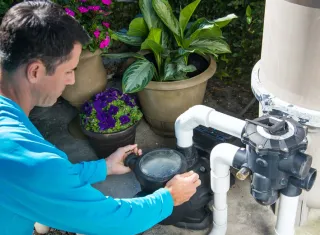
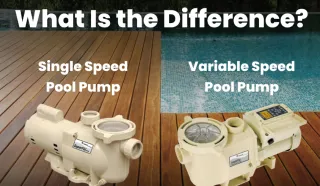
What is the difference between a single-speed and a variable-speed pool pump?
Single-speed pumps operate at a fixed speed, while variable-speed pumps allow you to adjust the speed to match your pool's needs. Variable-speed pumps offer greater energy efficiency and quieter operation, making them a popular choice for pool owners looking to reduce energy costs.
How can I troubleshoot common pool pump problems?
Common pool pump problems such as low flow, leaks, or priming issues can often be resolved through simple troubleshooting steps like checking for clogs, inspecting seals and gaskets, and ensuring proper water level. If troubleshooting doesn't resolve the issue, it's best to consult with a professional pool technician for further assistance.
INFORMATIONAL ARTICLES
Troubleshooting Common Pool Pump Problems and How to Fix Them
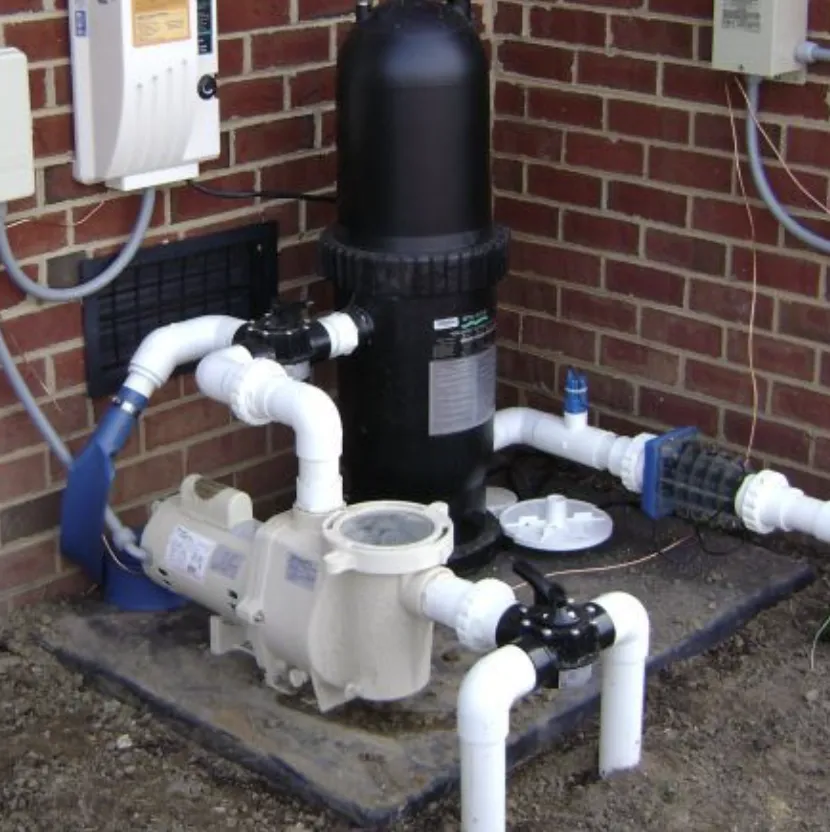
Pool pumps are the heart of any swimming pool system, circulating water to ensure it stays clean and clear. However, like any mechanical equipment, pool pumps can encounter problems that can disrupt your pool's operation. In this blog post, we'll explore common pool pump issues and provide practical troubleshooting tips to help you fix them.

Common Pool Pump Problems
Pool Pump Won't Start
Pool Pump Leaks Water
Noisy Pool Pump
Pool Pump Loses Prime
Pool Pump Motor Overheats
1. Pool Pump Won't Start
Possible Causes:
Power issues
Tripped circuit breaker
Faulty timer
Motor issues
Troubleshooting Tips:
Check the power supply: Ensure the pump is plugged in and the power switch is turned on.
Inspect the circuit breaker: If it's tripped, reset it and see if the pump starts.
Examine the timer: If you have a timer installed, make sure it's set correctly and functioning properly.
Test the motor: If the motor hums but doesn't start, it could be a capacitor issue. In this case, consult a professional for repair or replacement.
2. Pool Pump Leaks Water
Possible Causes:
Loose fittings
Worn-out O-rings or seals
Cracked housing
Troubleshooting Tips:
Tighten fittings: Check all the connections and fittings around the pump and tighten them if necessary.
Replace O-rings or seals: Over time, O-rings and seals can wear out. Inspect these components and replace them if they appear damaged.
Examine the housing: If you notice cracks in the pump housing, it may need to be replaced. This is a more serious issue and might require professional assistance.
3. Noisy Pool Pump
Possible Causes:
Cavitation
Worn bearings
Debris in the pump
Troubleshooting Tips:
Check for cavitation: Cavitation occurs when there's insufficient water flow to the pump. Ensure the water level in the pool is adequate and that the skimmer and pump baskets are free of debris.
Inspect the bearings: Worn bearings can cause loud, screeching noises. If you suspect bearing issues, it's best to call a professional to replace them.
Clean the pump: Debris stuck in the pump impeller can cause noise. Turn off the pump, open the housing, and remove any debris.
4. Pool Pump Loses Prime
Possible Causes:
Air leaks in the suction line
Low water level
Clogged skimmer or pump basket
Troubleshooting Tips:
Check for air leaks: Inspect the suction line for any visible air leaks and repair them. Common areas to check include fittings, seals, and the pump lid.
Maintain water level: Ensure the pool water level is high enough to cover the skimmer intake.
Clean the baskets: Remove and clean the skimmer and pump baskets to ensure proper water flow.
5. Pool Pump Motor Overheats
Possible Causes:
Poor ventilation
Overworked motor
Electrical issues
Troubleshooting Tips:
Improve ventilation: Make sure the pump has adequate ventilation and is not obstructed by debris or other objects.
Reduce workload: Check for blockages in the system that might be causing the pump to work harder than necessary. Clean the filter and remove any debris.
Inspect electrical connections: Loose or corroded electrical connections can cause overheating. Ensure all connections are secure and in good condition.
Preventative Maintenance Tips
Regular maintenance can help prevent many of these common pool pump problems:
Clean the pump basket and skimmer regularly to ensure proper water flow.
Check and replace O-rings and seals as needed to prevent leaks.
Monitor the water level in your pool to avoid cavitation and priming issues.
Schedule annual professional inspections to identify and address potential issues before they become major problems.
By following these troubleshooting tips and performing regular maintenance, you can keep your pool pump running smoothly and extend its lifespan. If you encounter a problem that you're not comfortable fixing yourself, don't hesitate to contact a professional pool service technician for assistance.

wHERE WE SERVICE
SERVING PHOENIX METRO ARIZONA

Chandler
Gilbert
Scottsdale
Apache Junction
Mesa
Queen Creek
San Tan Valley
Cave Creek
Litchfield
Laveen
Phoenix
Surprise
Peoria
Glendale
Sun City
Yorktown
Avondale
Goodyear
Buckeye
Waddell
El Mirage

All Things Pools
LIC 355919
Connect With Us


